

The Principles of the US Constitution
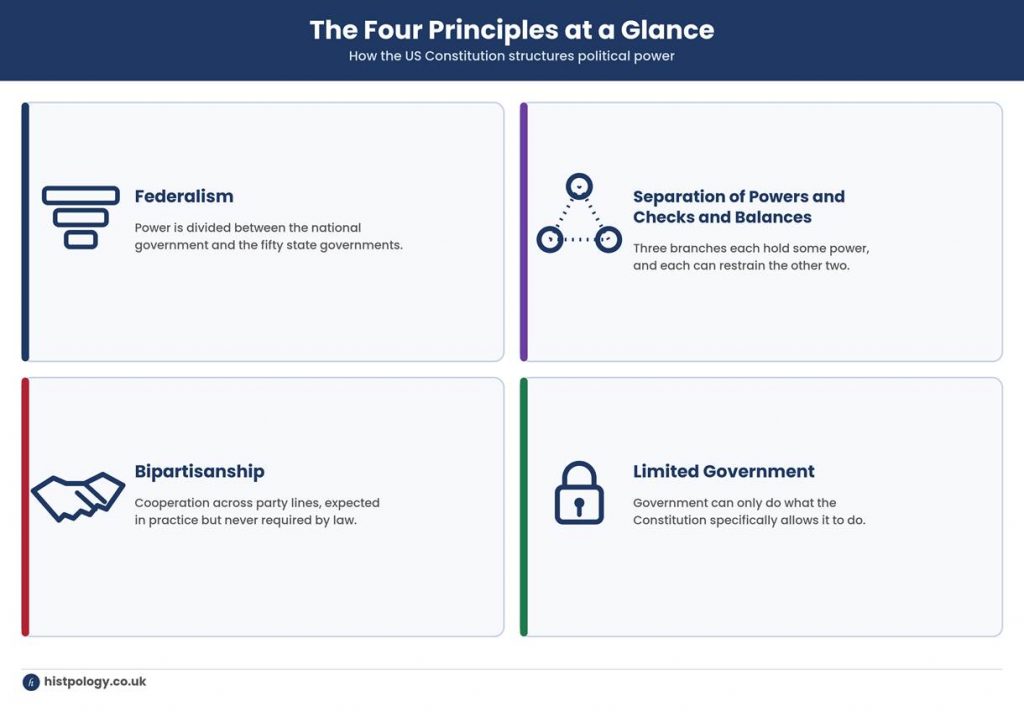
Figure 1: the four principles covered in this document, at a glance.
“Ambition must be made to counteract ambition.”
James Madison wrote this line in Federalist No. 51 in 1788, as part of a series of essays written to persuade New York to ratify the newly drafted Constitution.
His point was blunt: rather than trusting politicians to behave well, the Constitution should be built so that self-interested politicians in each branch of government are structurally forced to restrain one another.
This section of histpology.co.uk tests whether Madison’s claim still holds true today.
It covers four principles named in the Pearson Edexcel specification:
- Federalism,
- Separation of powers and checks and balances
- Bipartisanship,
- Limited government.
For each one, it explains what the principle means and where it comes from in the Constitution’s text. One principle, as we will see, does not come from the text at all. It then shows how each principle has fared in practice, using examples from as recently as 2026.
Contents
The main sections of this section are set out below.
Principles of the US Constitution – Introduction
Separation of Powers and Checks and Balances